Before the Last Note
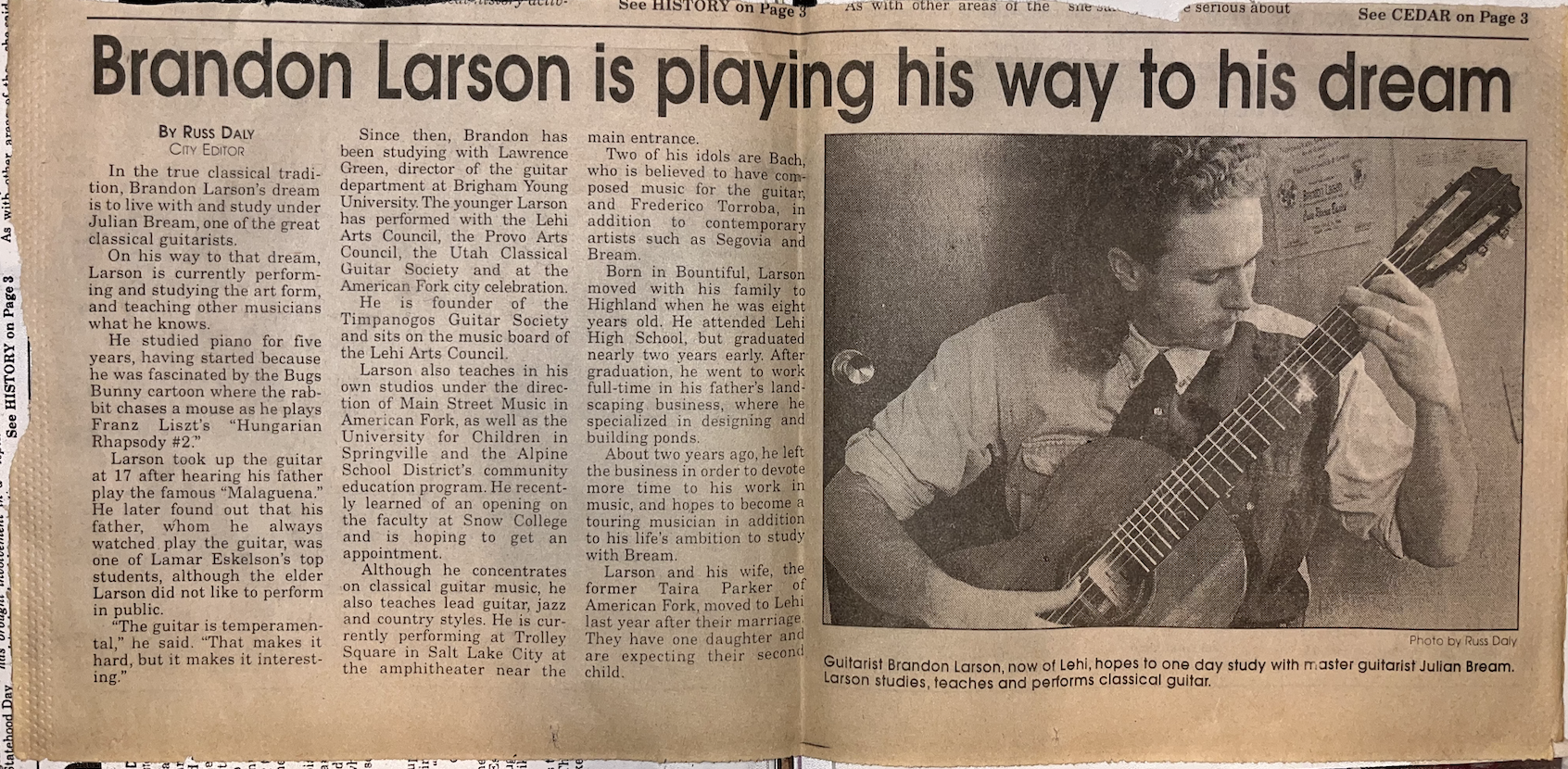
After the Last Note is not the beginning of my life as a guitarist. It is the latest chapter of one that has unfolded across more than three decades of performance, study, teaching, arranging, recording, and publishing.
The work I am doing now grows directly out of everything that came before it.
The Early Years
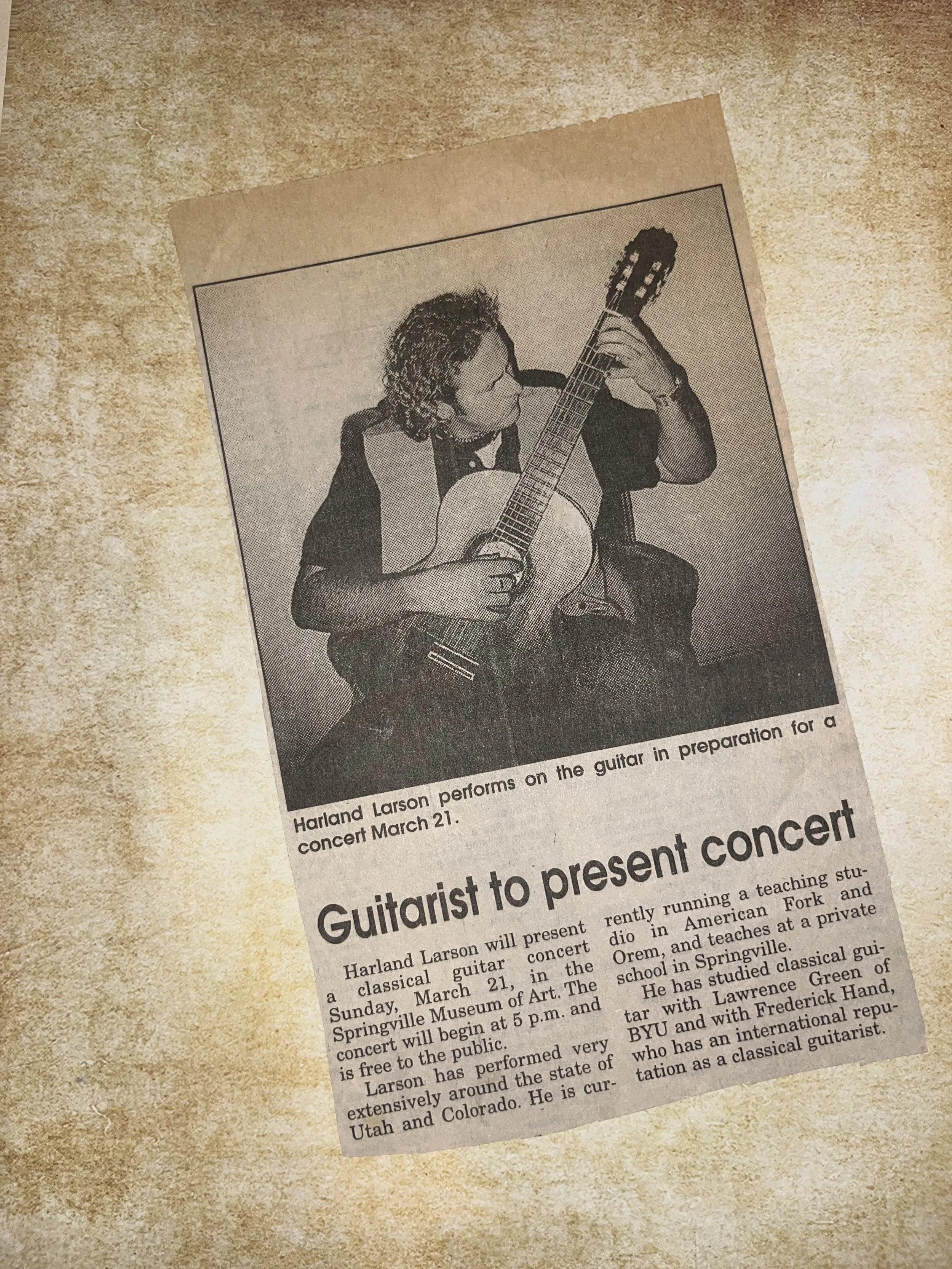
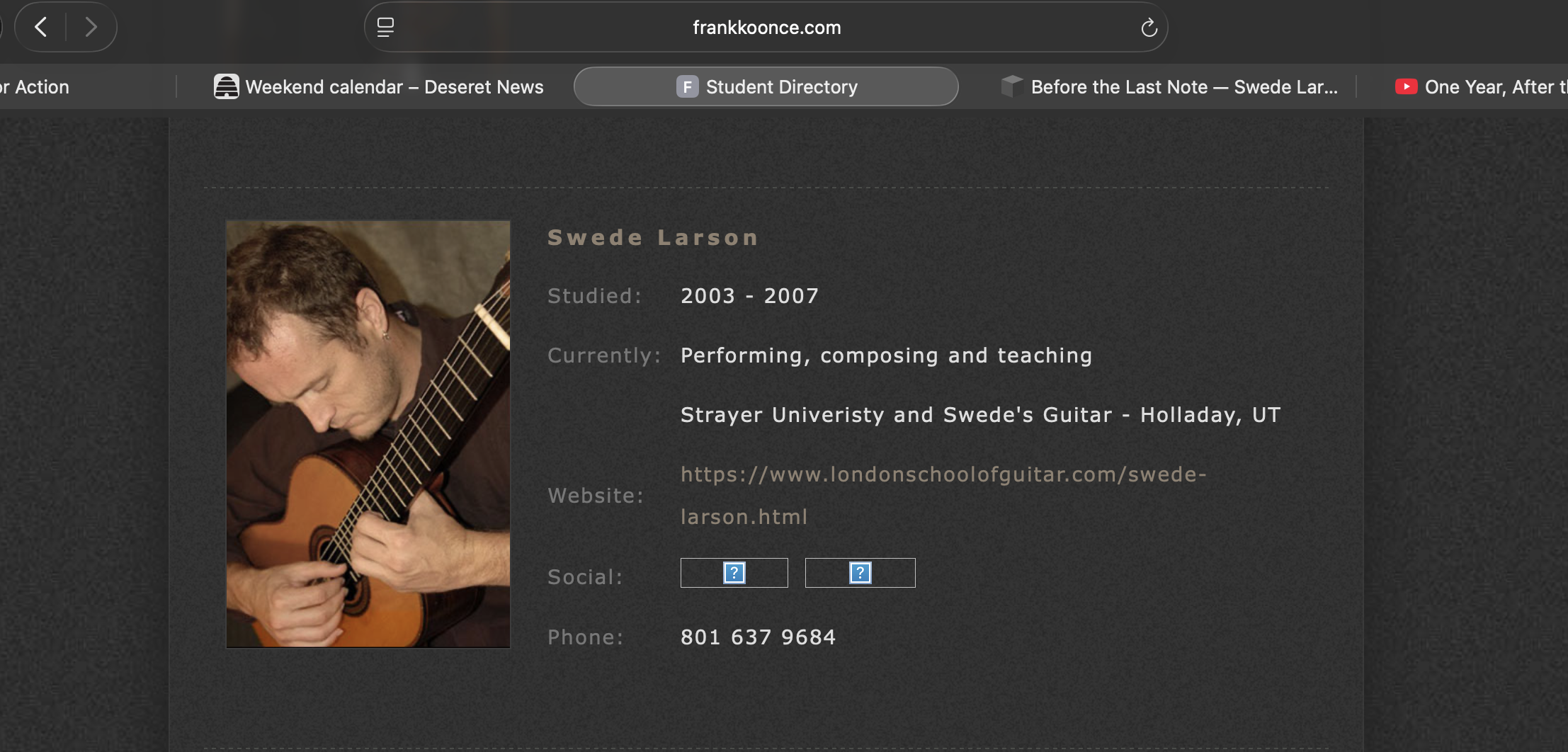
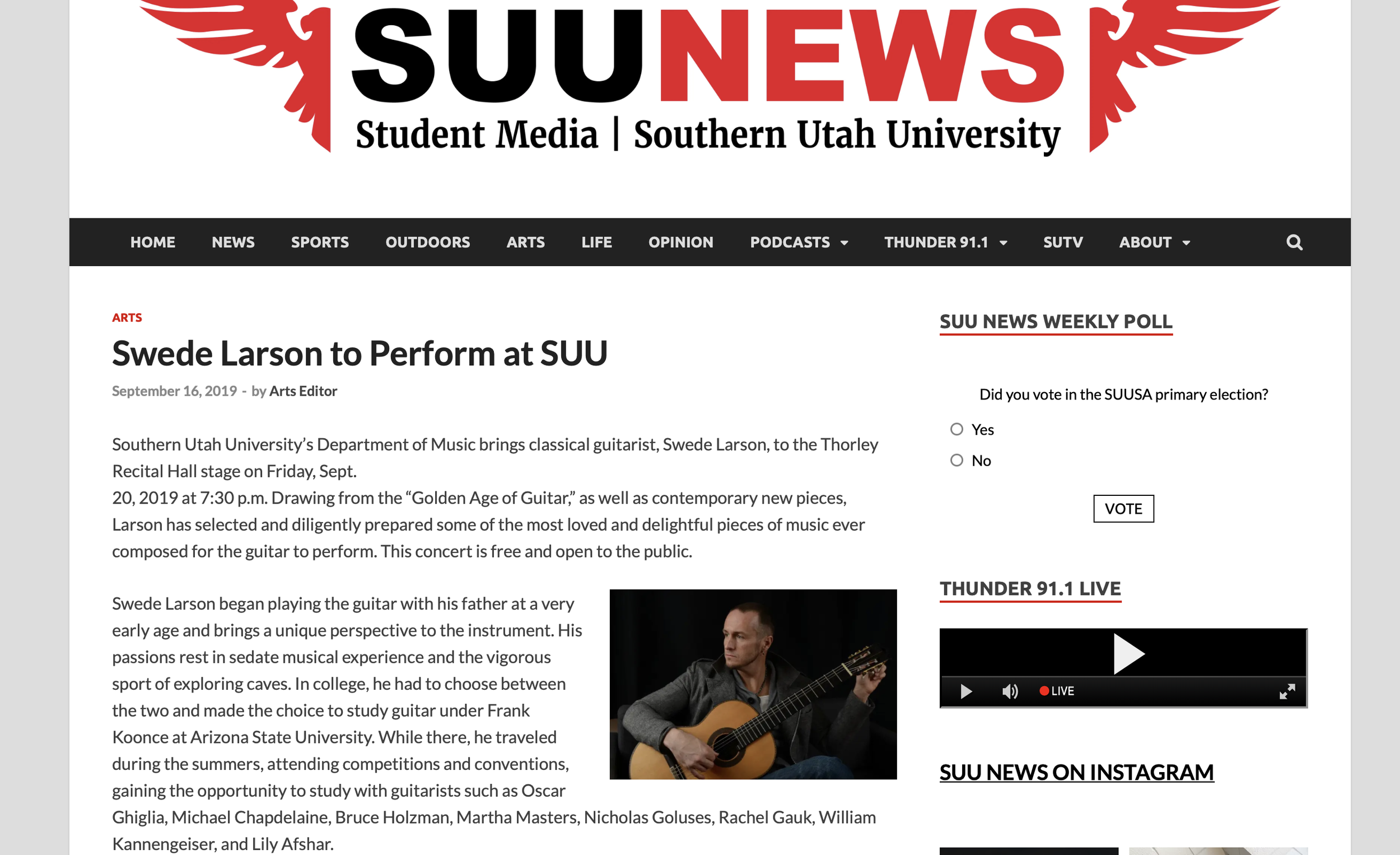
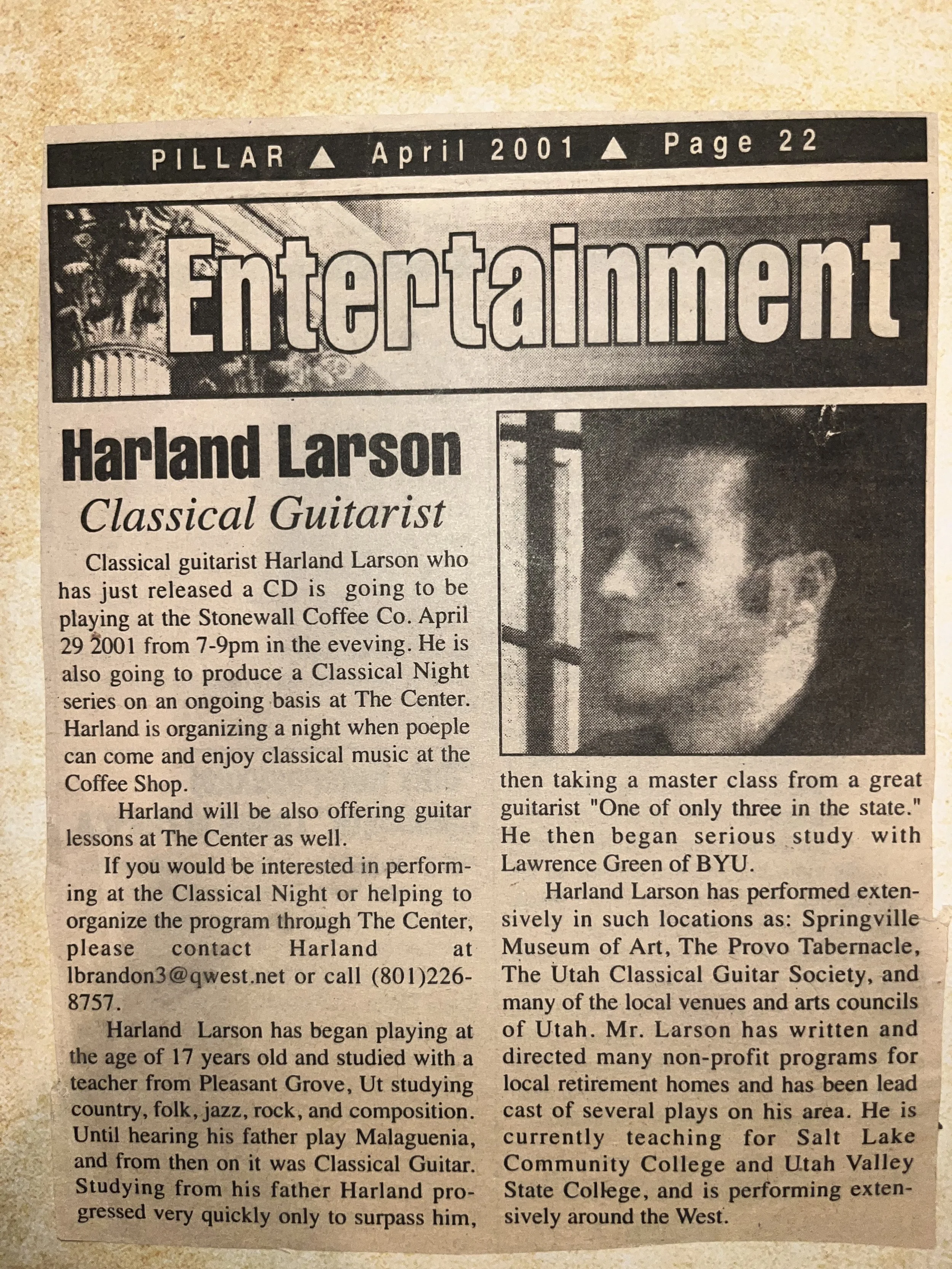
I began my life with the classical guitar more than thirty-five years ago under Lawrence Green in Utah, and eventually pursued formal study at Arizona State University with guitarist and scholar Frank Koonce, and with composer James Demars in composition and theory. Along the way, I also worked in masterclasses and other settings with musicians including Oscar Ghiglia, Michael Chapdelaine, Bruce Holzman, Martha Masters, Nicholas Goluses, Lili Afshar, Frederic Hand, Sven Svit, Rachel Gauk, and others whose ideas helped shape the way I think about the instrument, interpretation, and performance.
From the beginning, the guitar was never simply an academic pursuit. Performance was always at the center of it.
Recordings, Editions, and Other Work
Performance has always existed alongside a much broader engagement with the guitar.
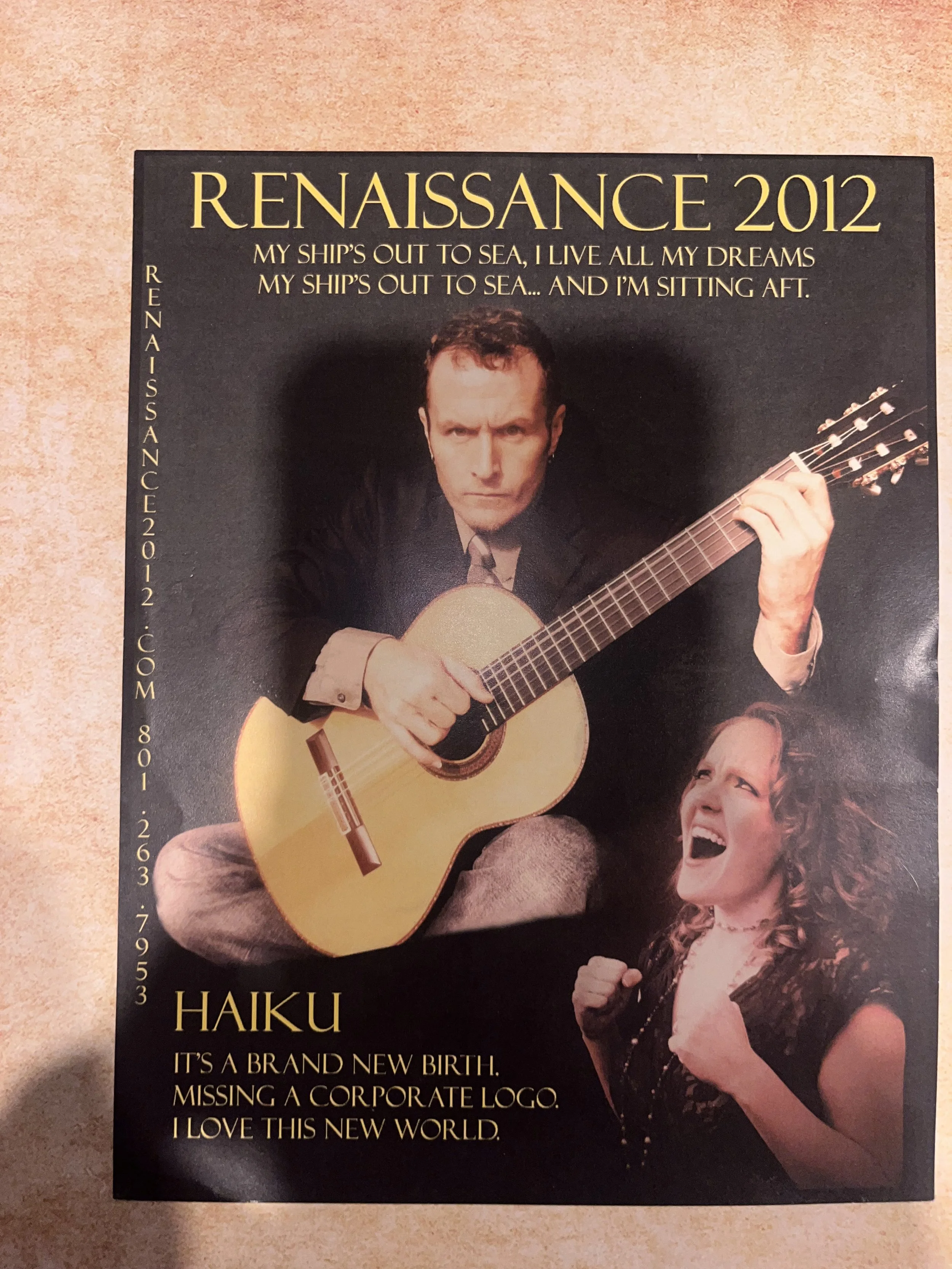
Over the years, I have recorded numerous projects, including several albums released under the Swede’s Guitar name, as well as larger recording projects devoted to the classical guitar repertoire.
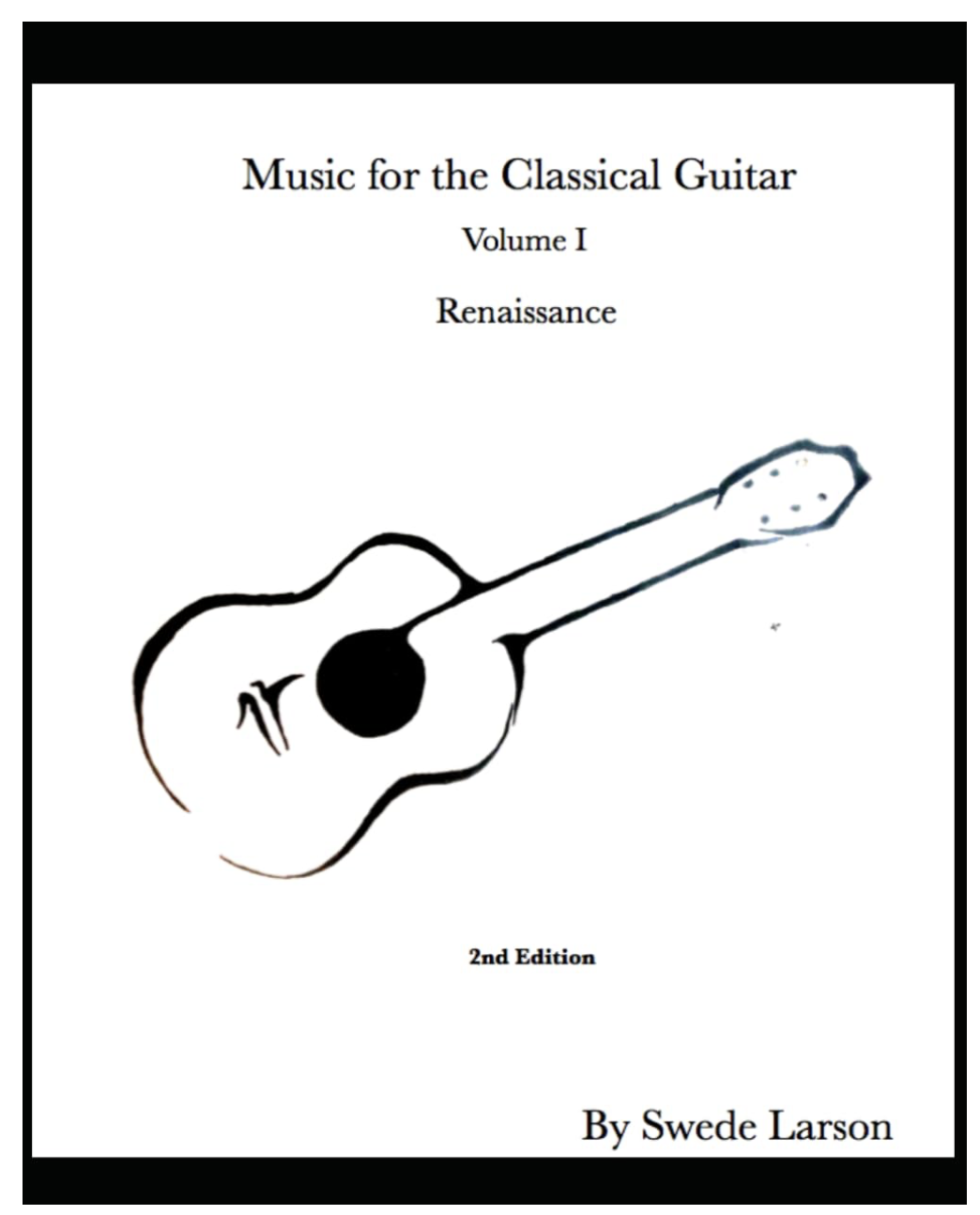
At the same time, I became deeply involved in arranging, editing, composing, and publishing music for the instrument. That work eventually grew into hundreds of individual editions and arrangements and a substantial catalogue of published classical guitar repertoire.
For me, these activities have never felt separate from performance. Editing a score, studying a historical source, arranging a piece, teaching it, recording it, and eventually performing it are all different ways of entering the same music.

On the Stage
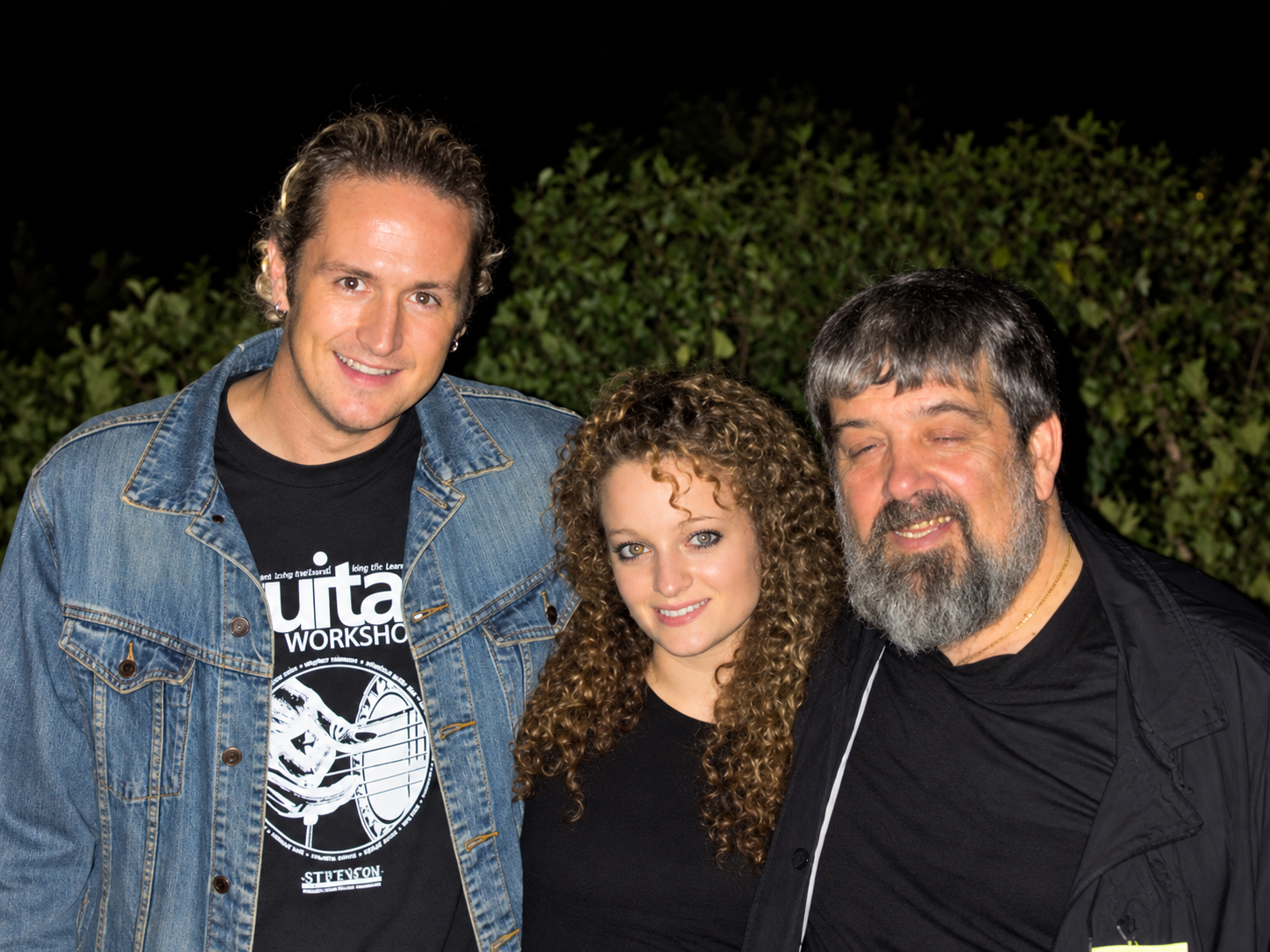
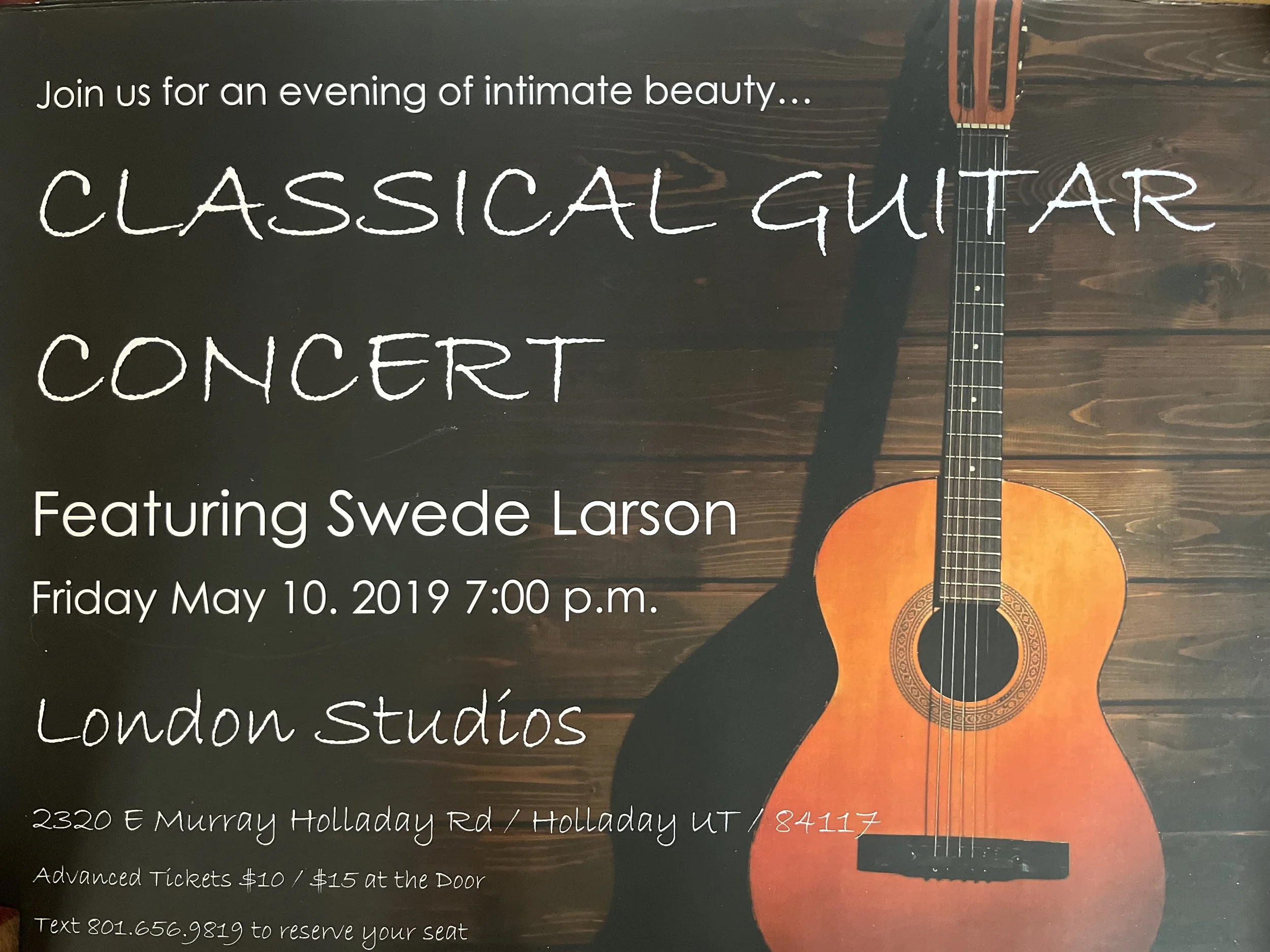
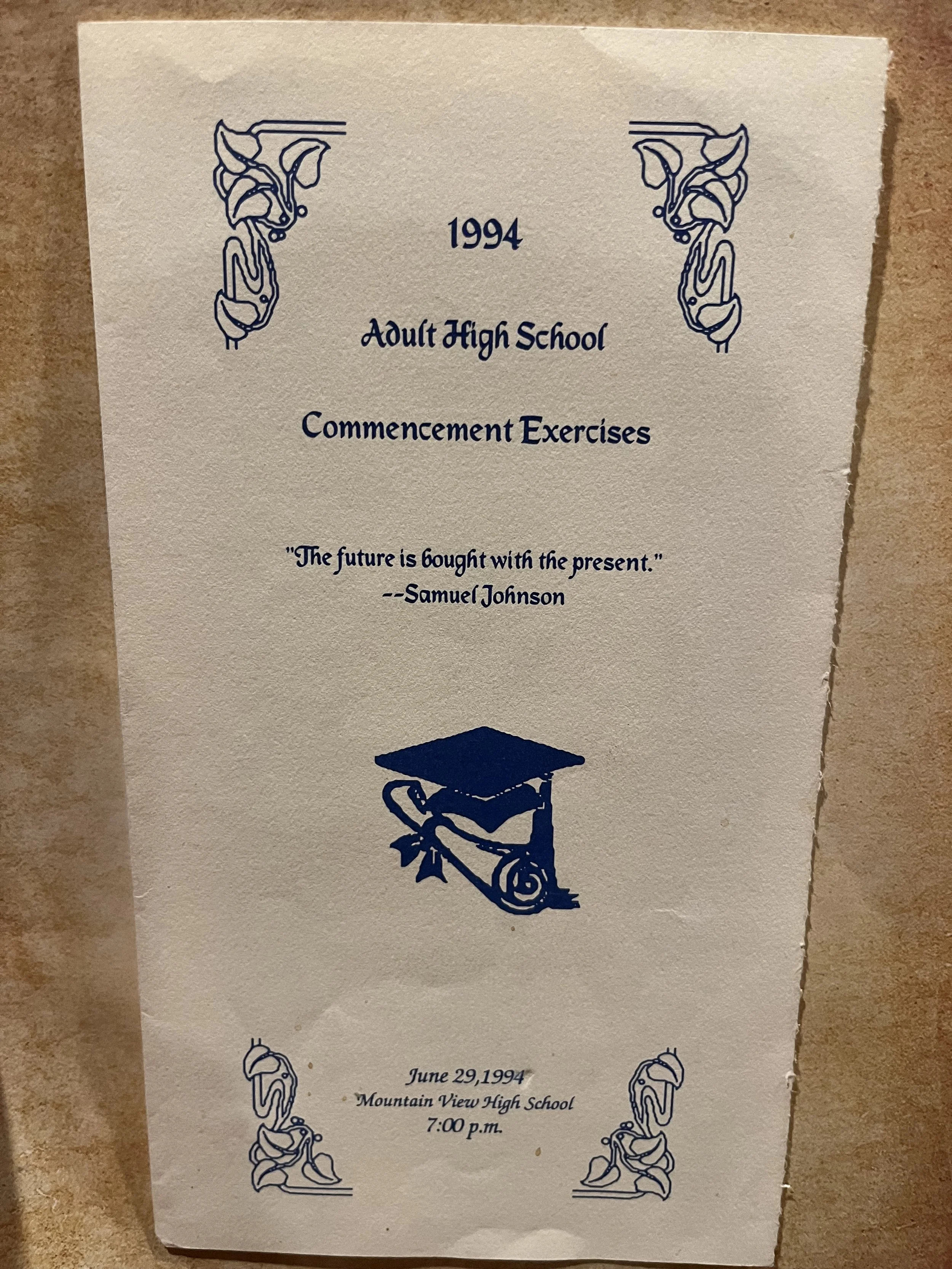
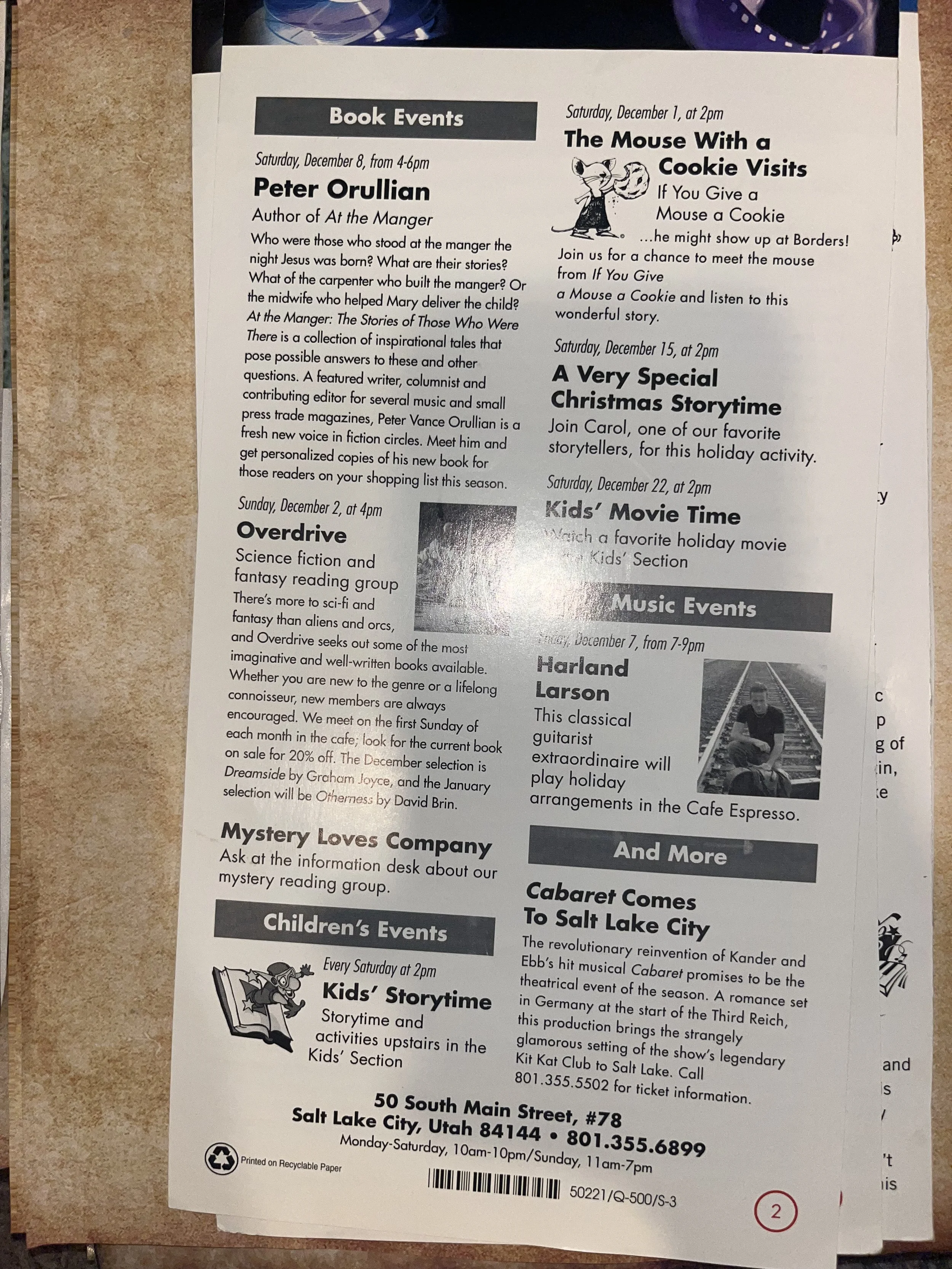
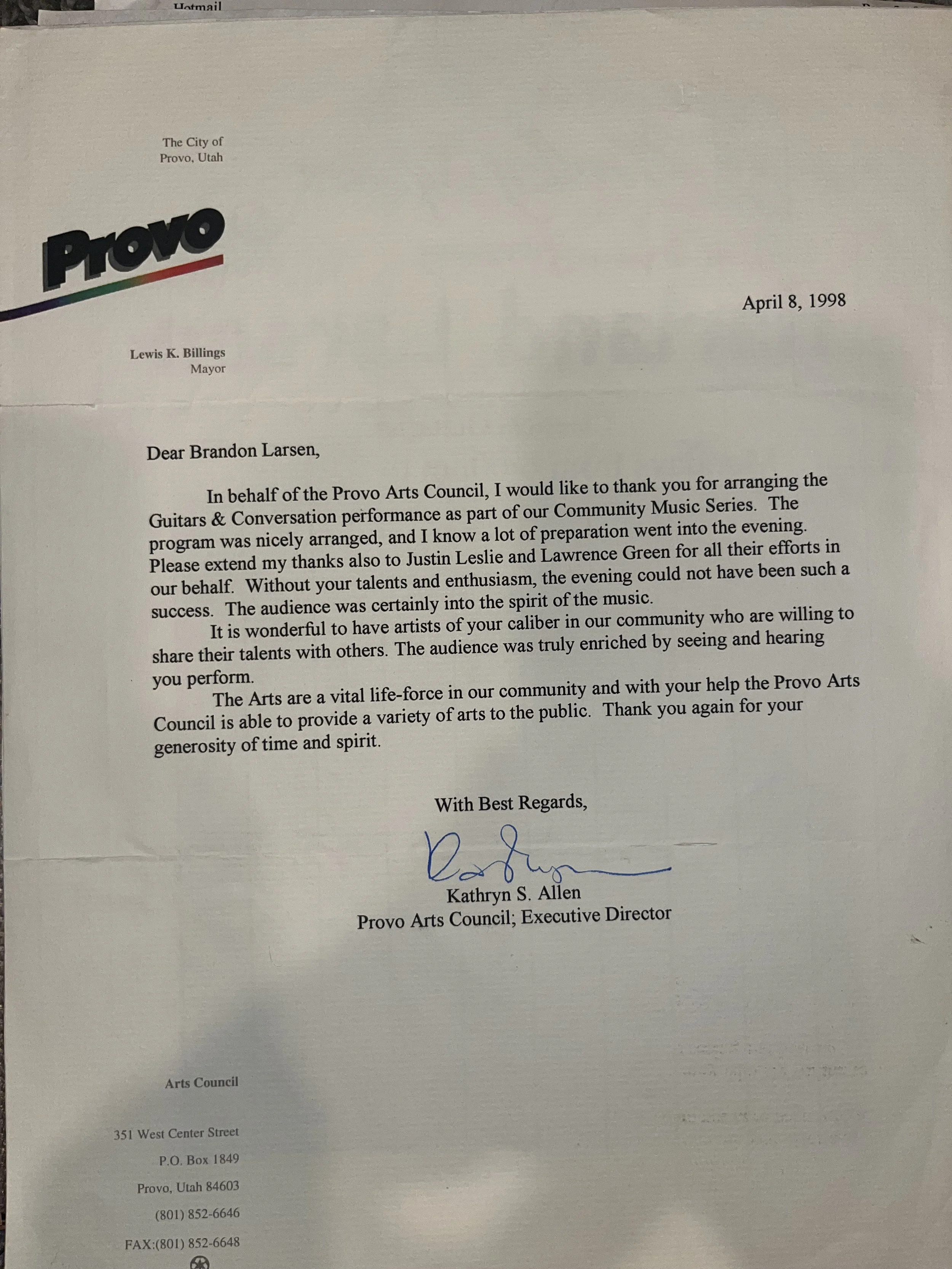
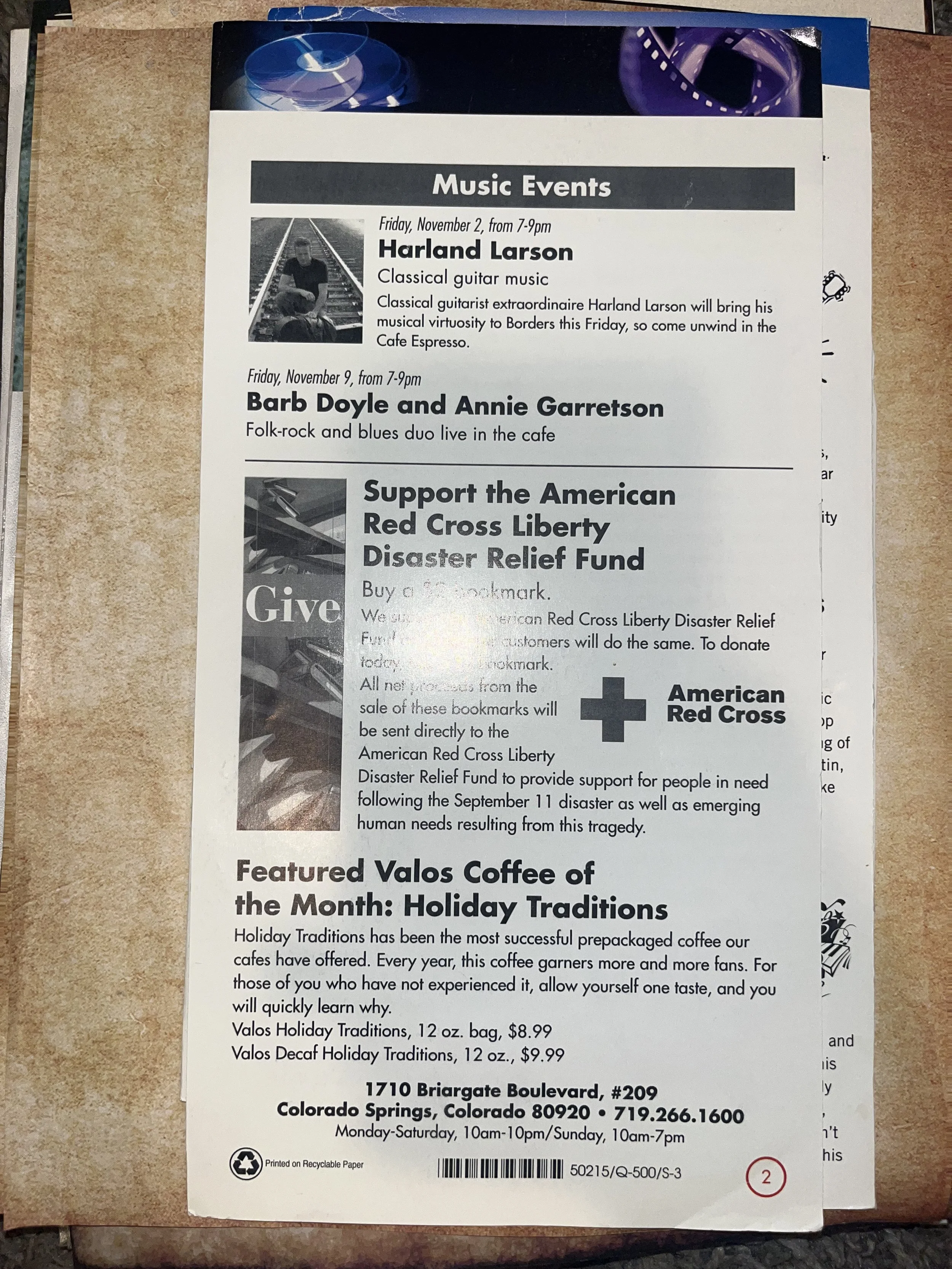
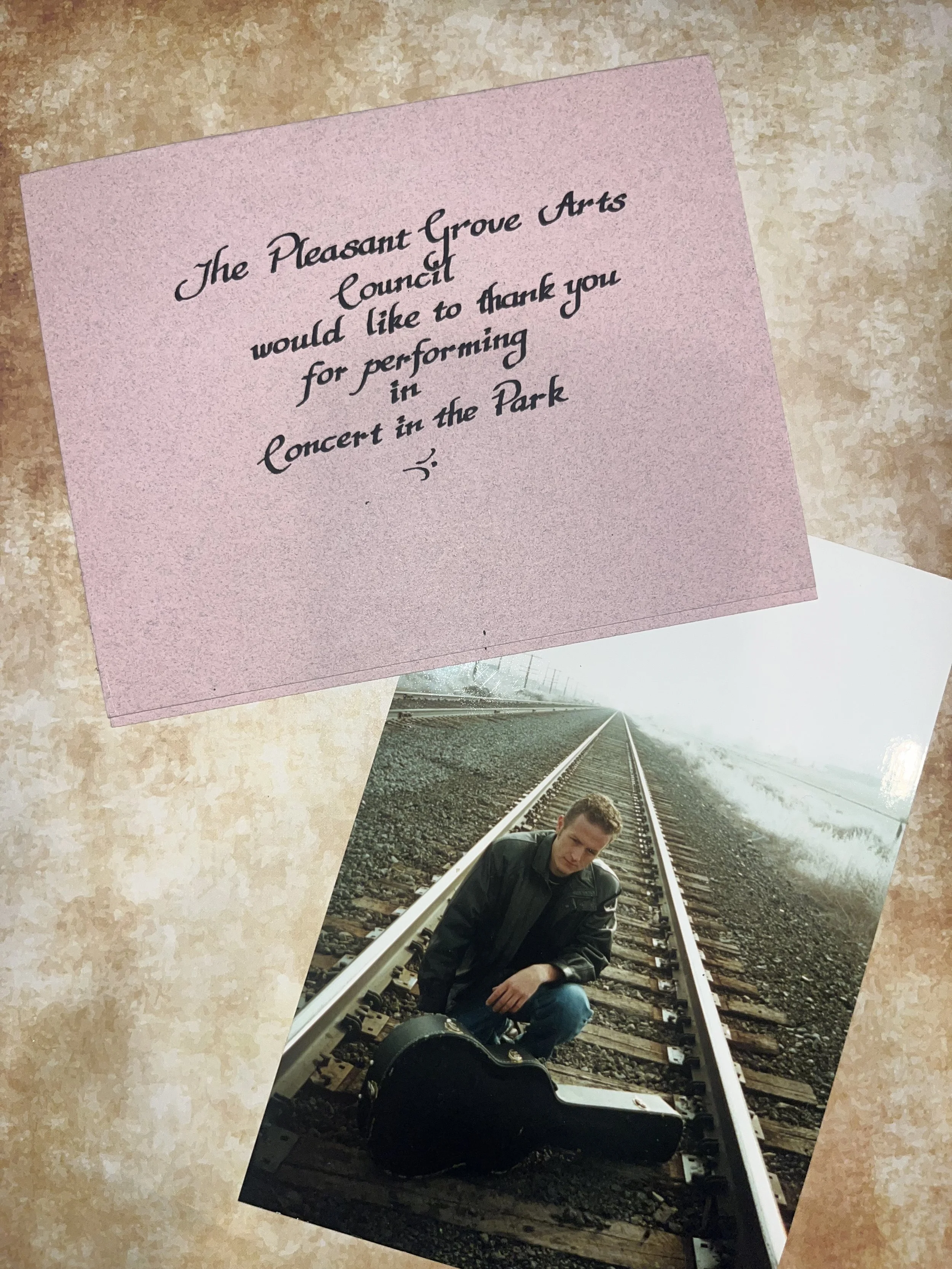
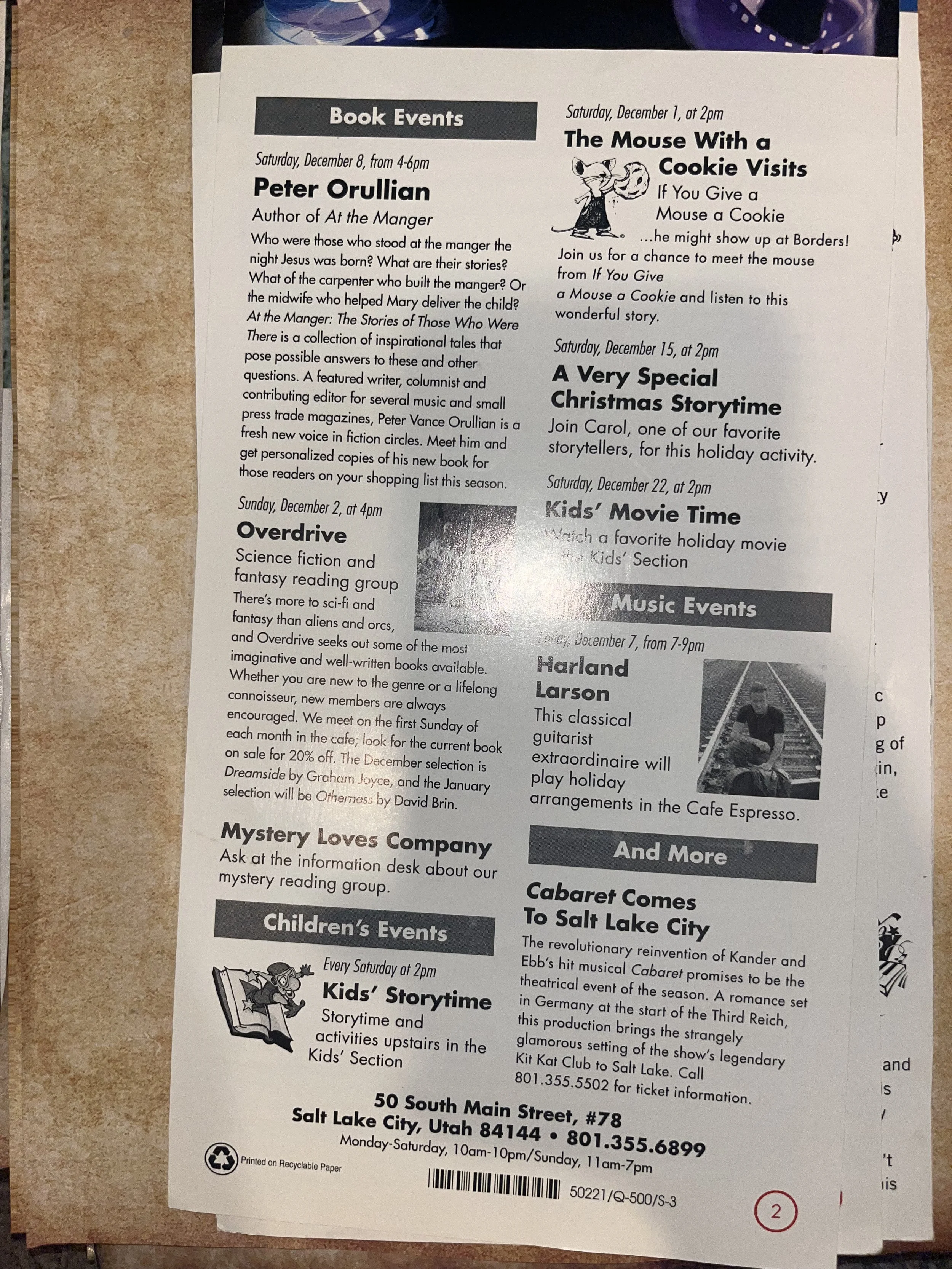
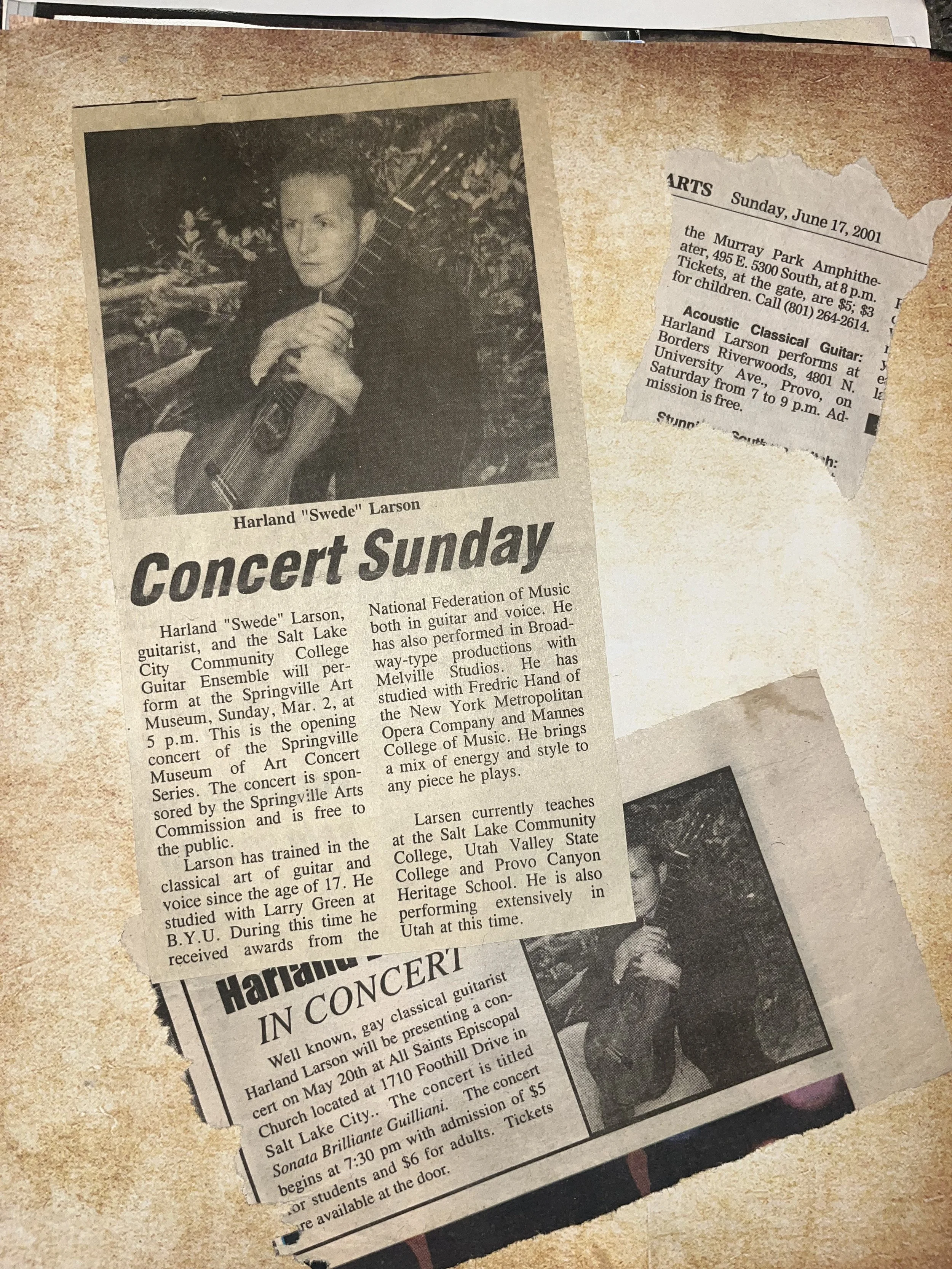
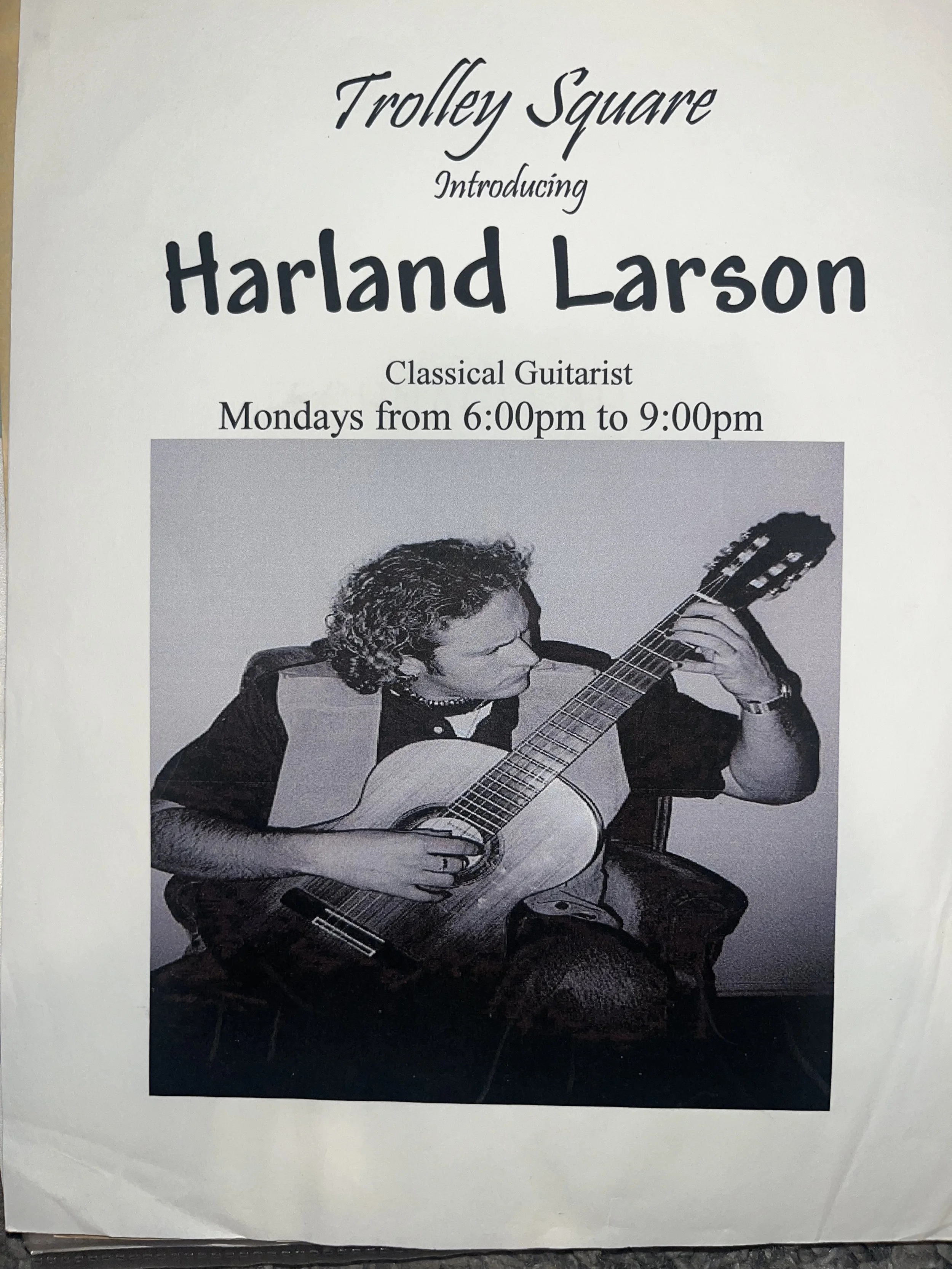
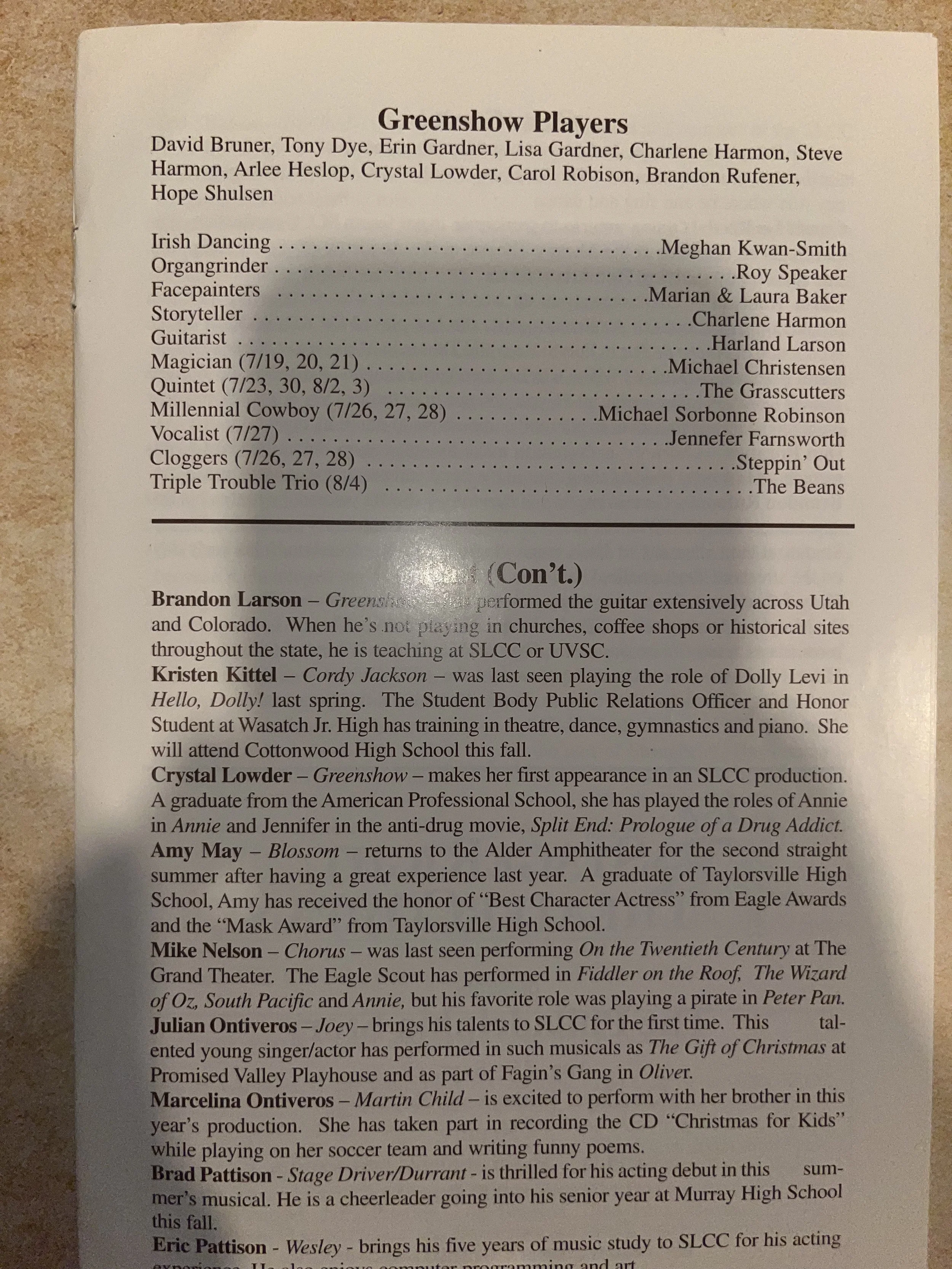
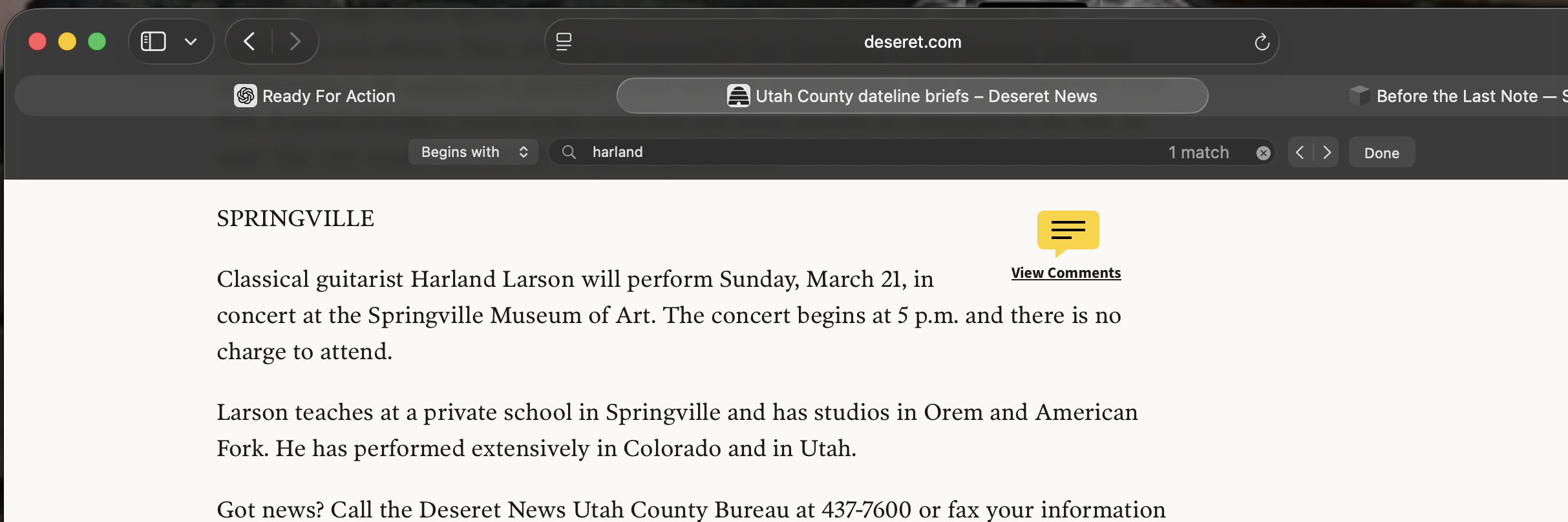
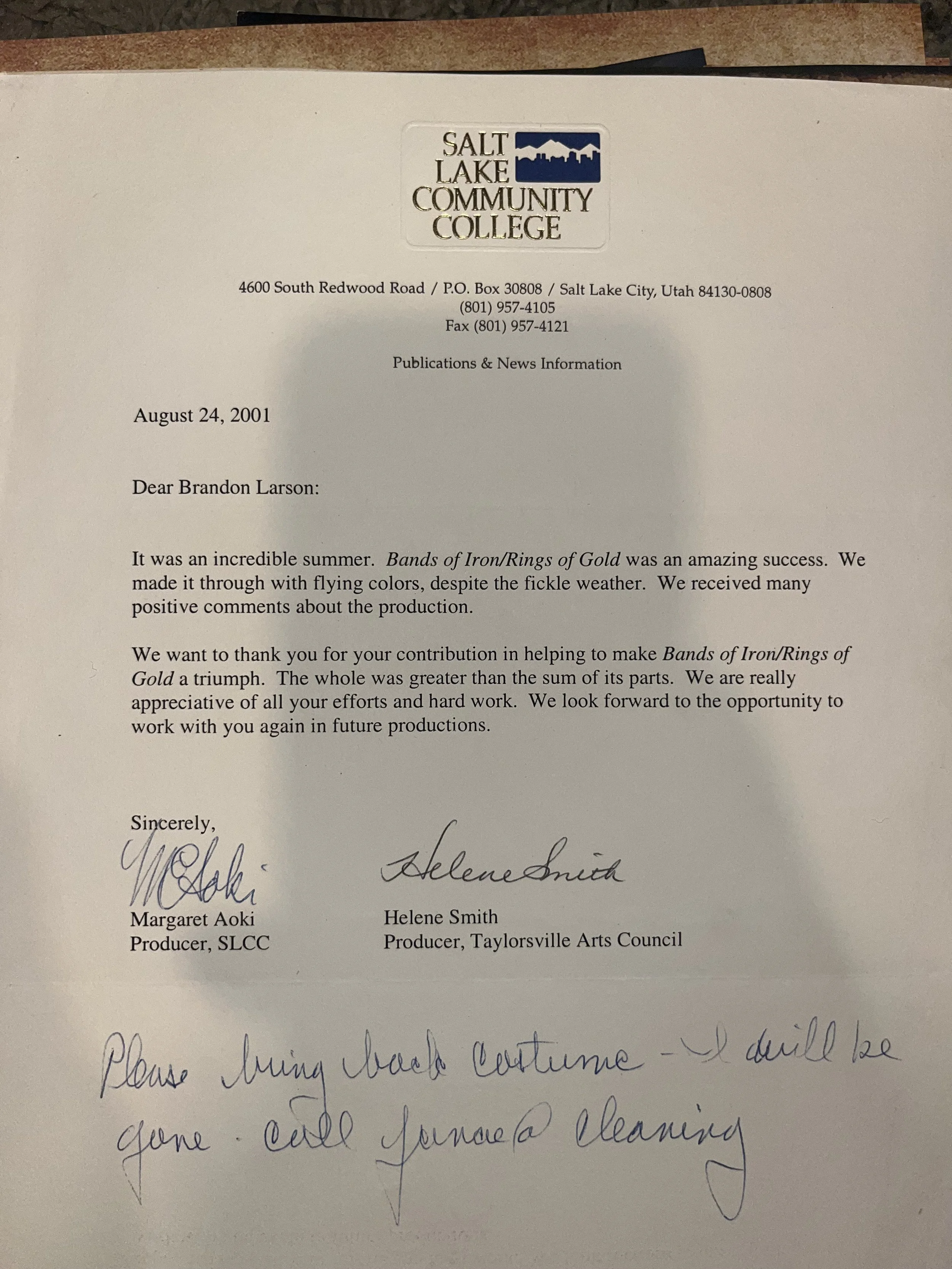
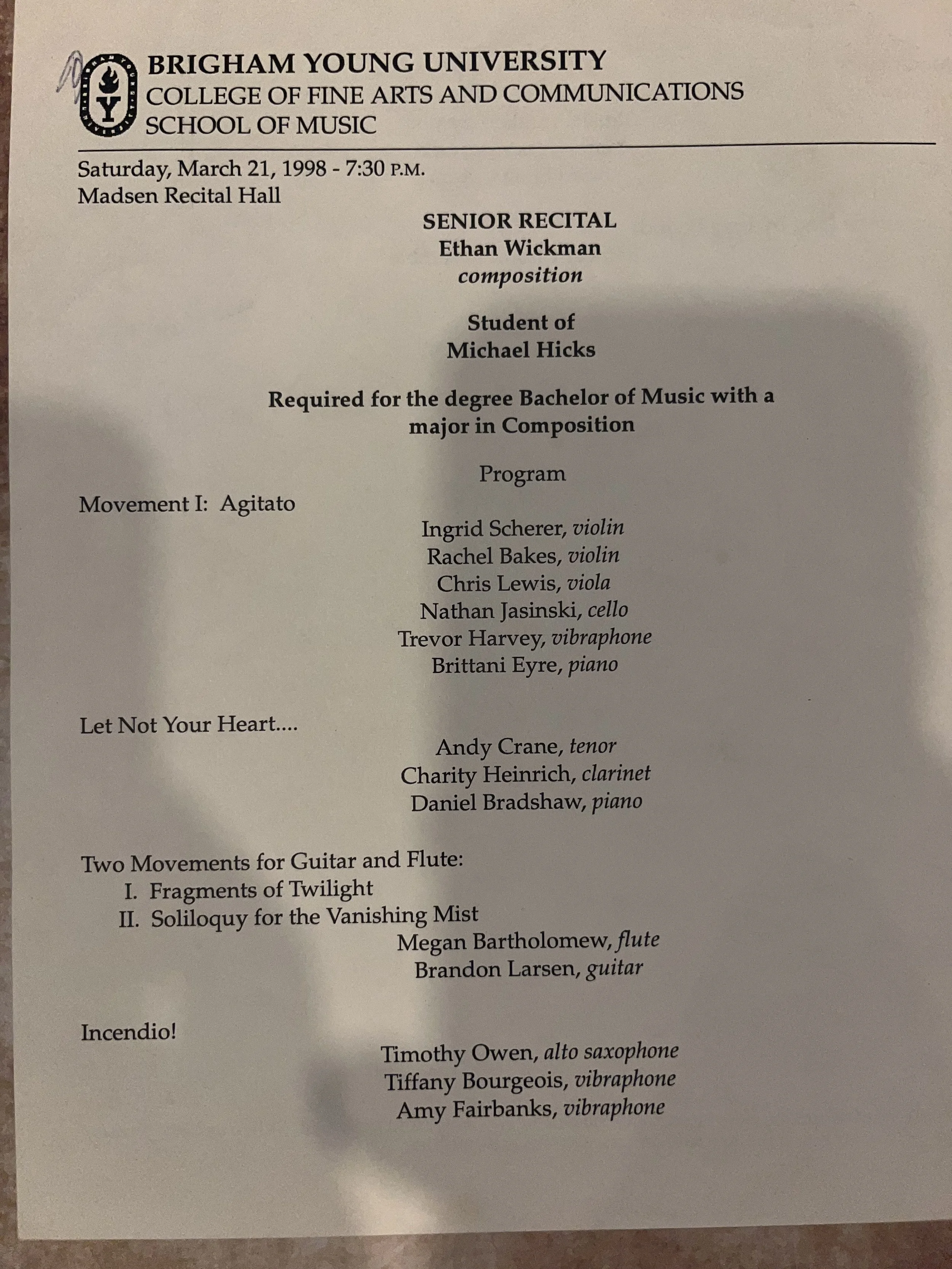
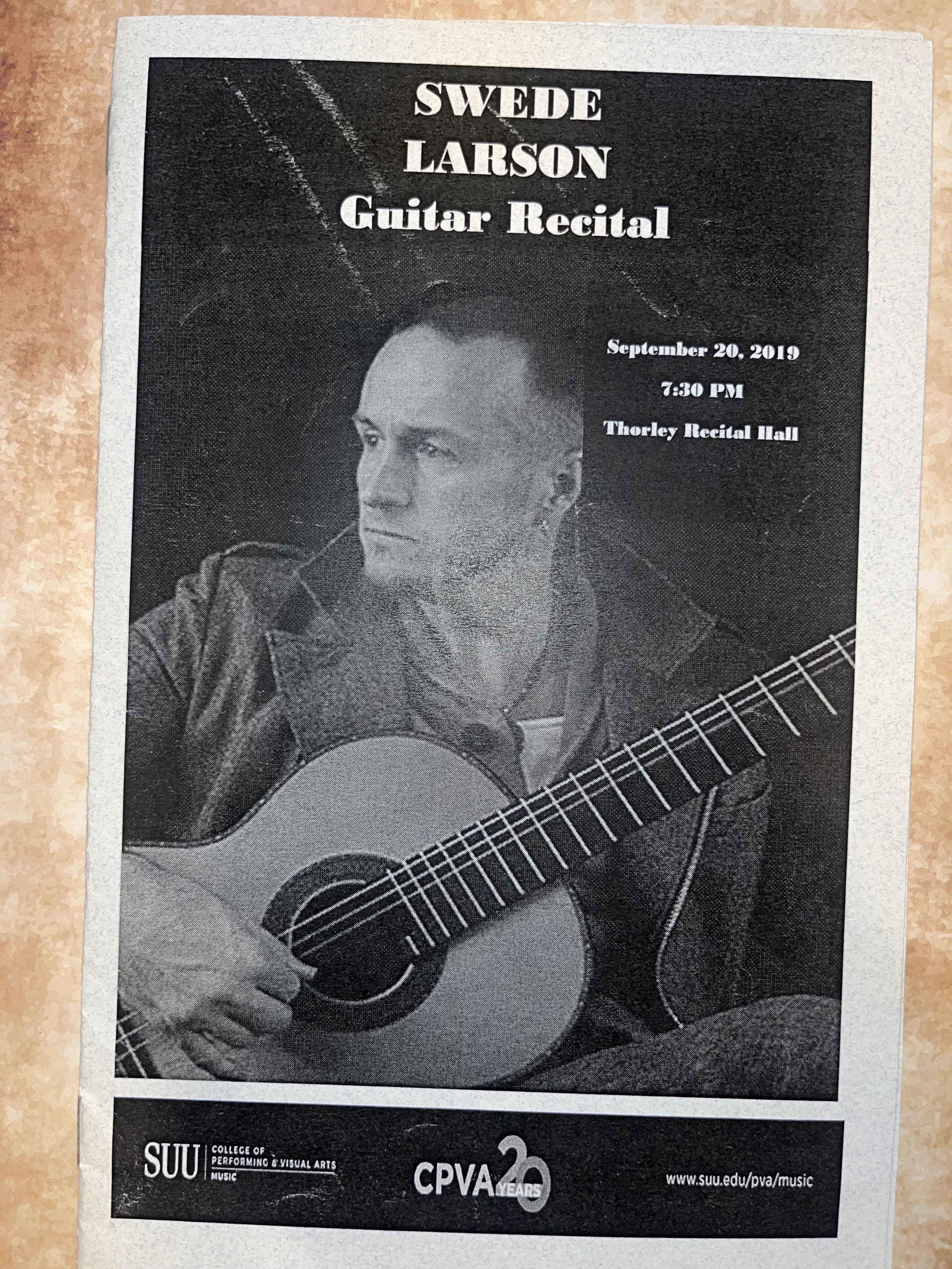
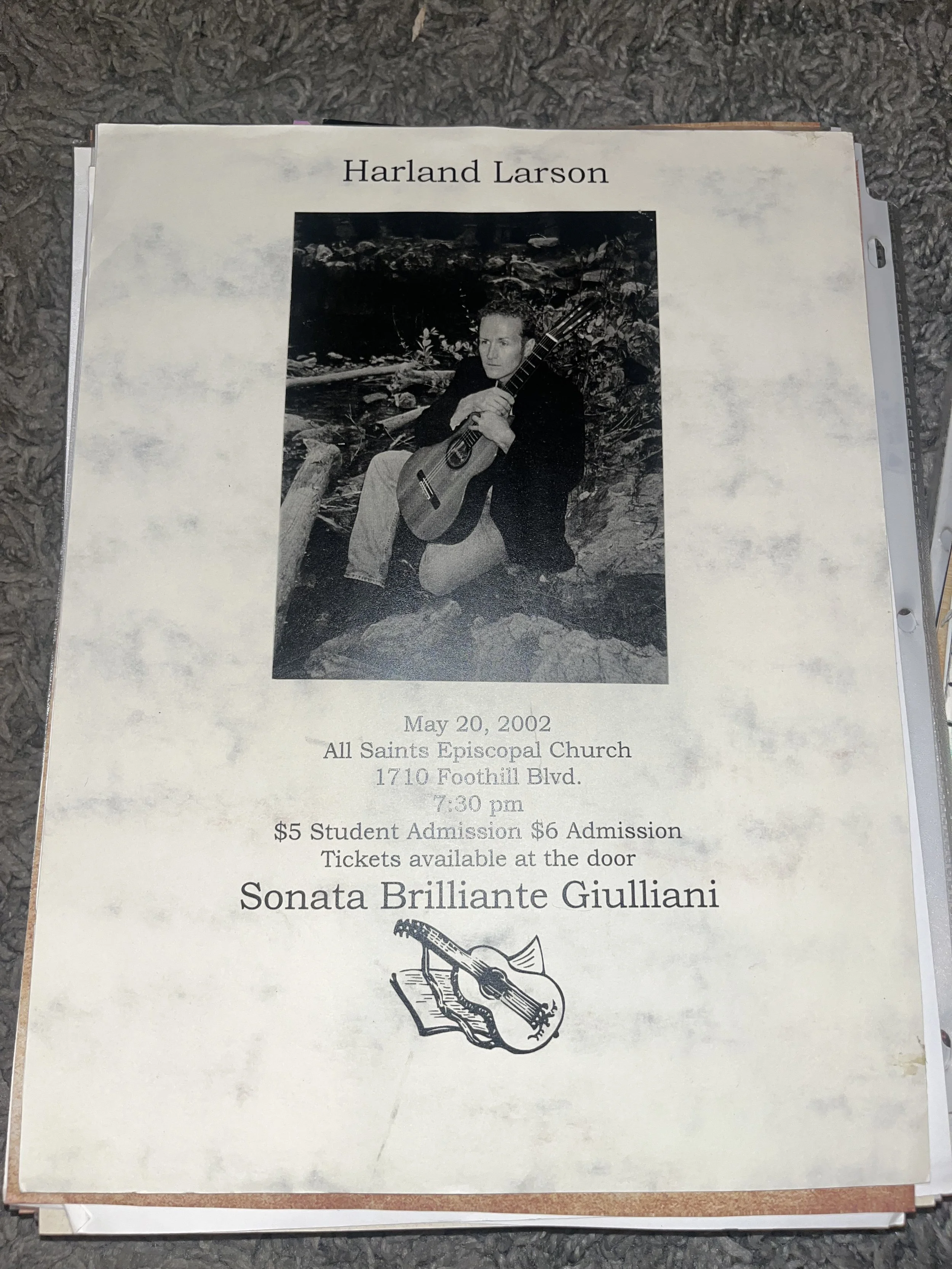
Over the years, I have performed in university recital halls, museums, concert series, guitar organizations, private events, and other venues throughout the United States.
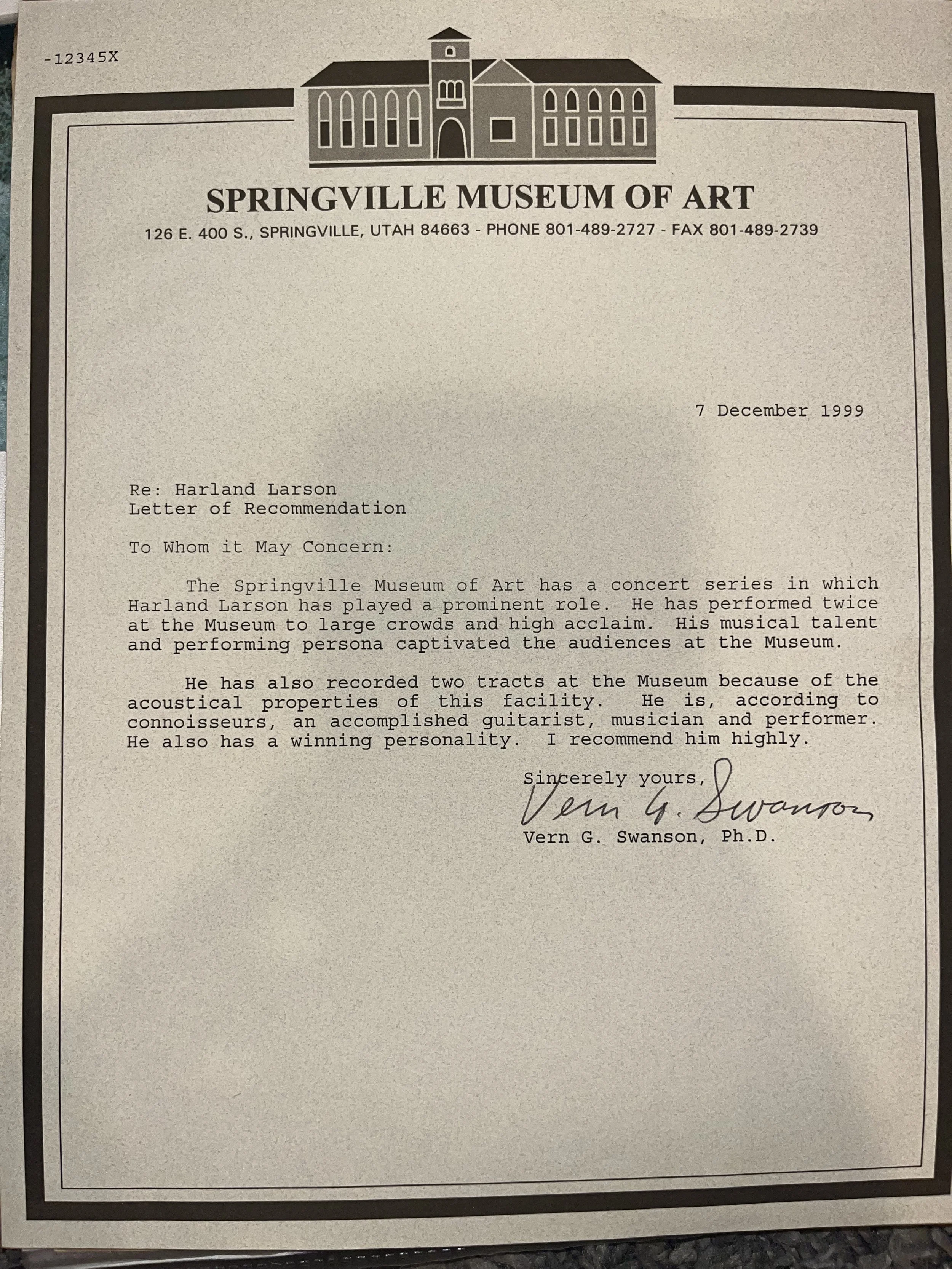
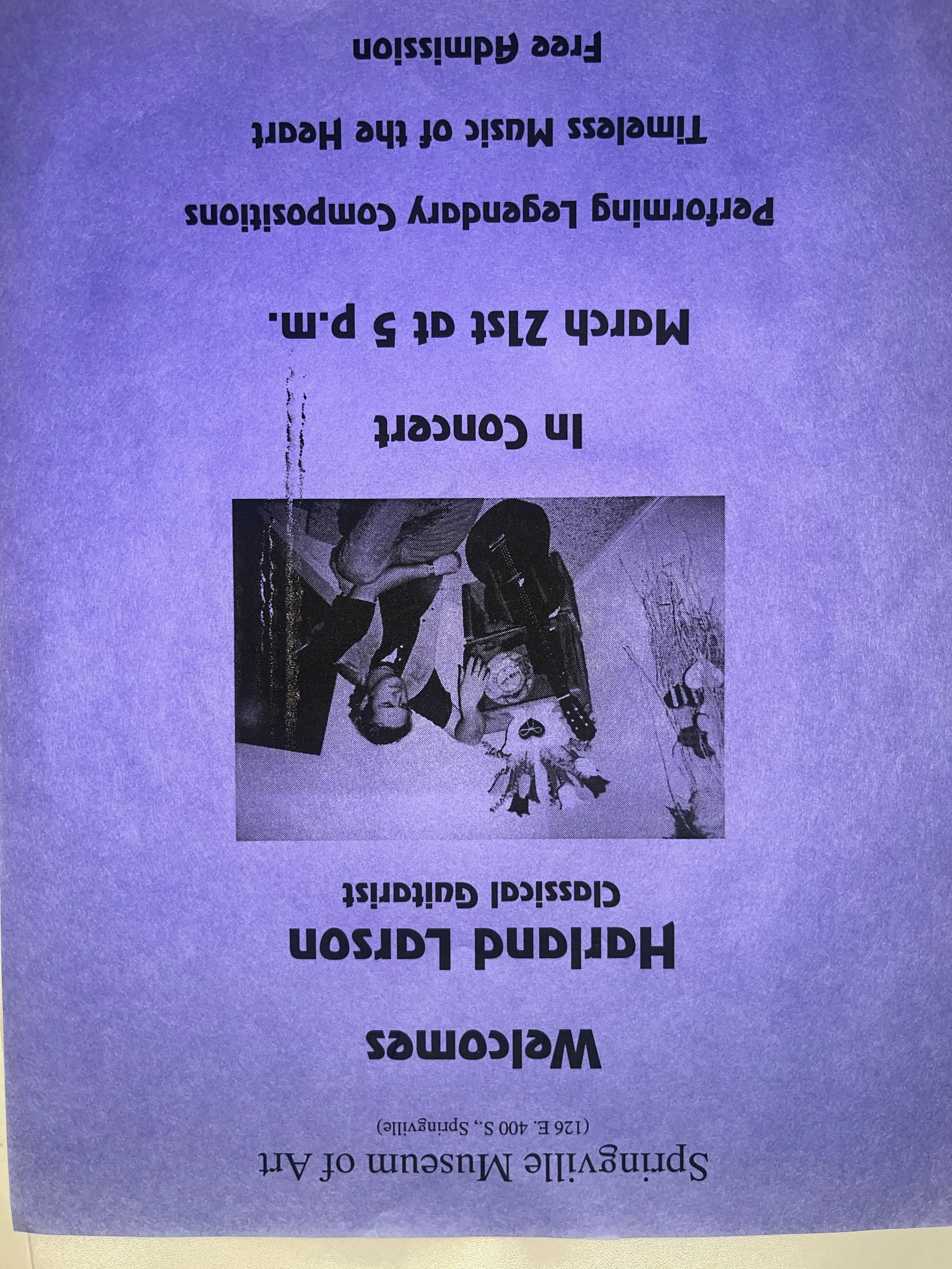
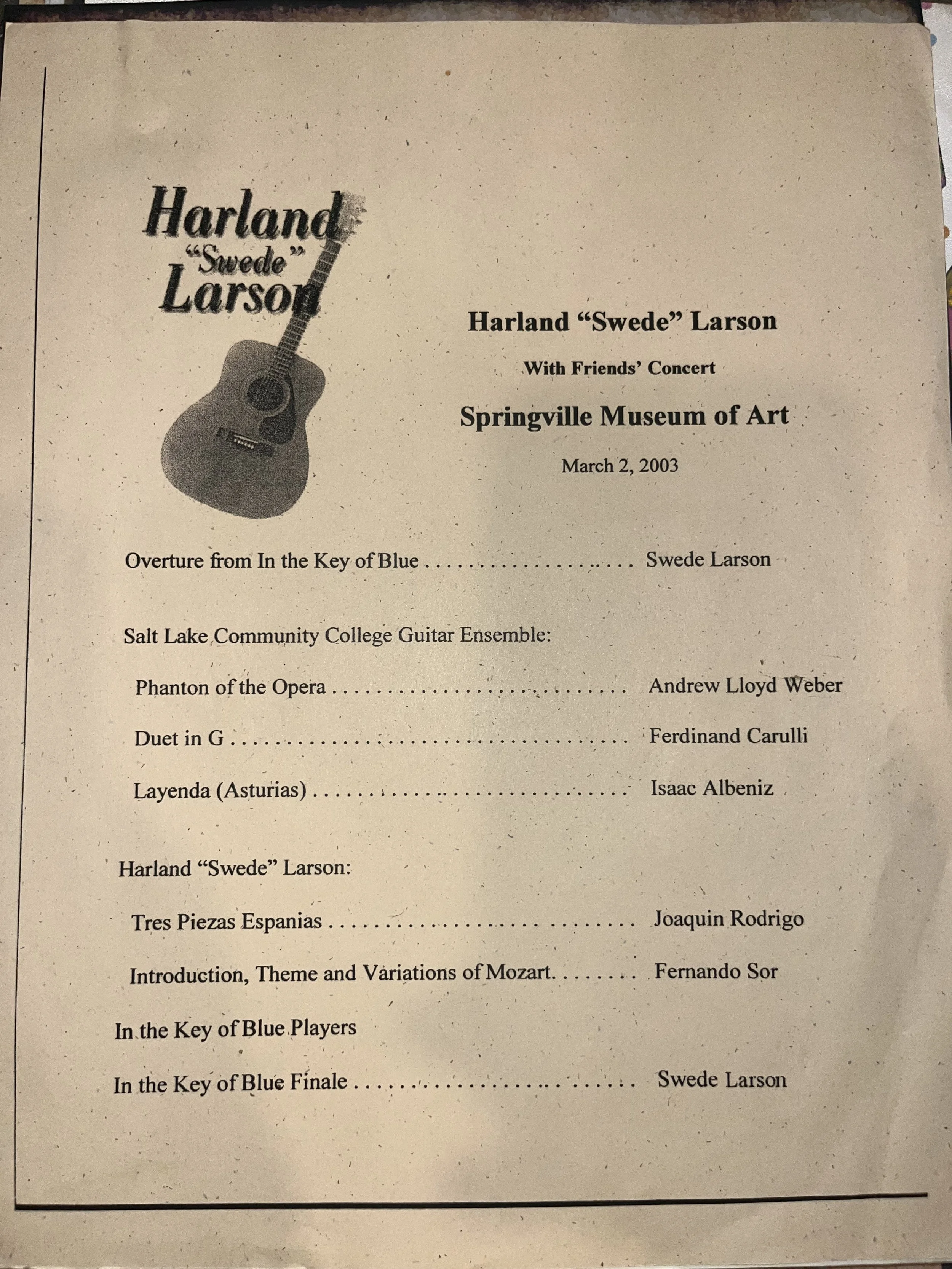
My performance work has ranged from university recital halls, museums, concert series, and guitar organizations to private and special-event performances, such as: Arizona State University, Westminster College, Brigham Young University, Southern Utah University, Stetson University, the National Guitar Workshops, the Springville Museum of Art, Sundance/Robert Redford and George Strait’s VIP lounge in 2024.
Some performances were conventional recitals. Others were far removed from the traditional concert hall. Together they became part of a much larger musical life—one built not around a single career moment, but around decades of continuing work with the instrument.
Returning to the Recital
In recent years, recital performance has again moved increasingly toward the center of my work.
Programs have brought together music by composers such as Fernando Sor, Napoléon Coste, Manuel Ponce, Johann Sebastian Bach, Agustín Barrios, Leo Brouwer, Antonio Vivaldi, and others who have accompanied me through different stages of my musical life.
That return has not felt like starting over.
It has felt much more like continuing a conversation that never really ended.
After the Last Note
After the Last Note grew out of that history.
It is a place for complete performances, recital films, recordings, writing, and the quieter questions that surround a life spent making music.
After decades with the guitar, I am less interested in proving what the instrument can do than in listening closely to what remains when the performance is over.
The music continues.
So does the story.